
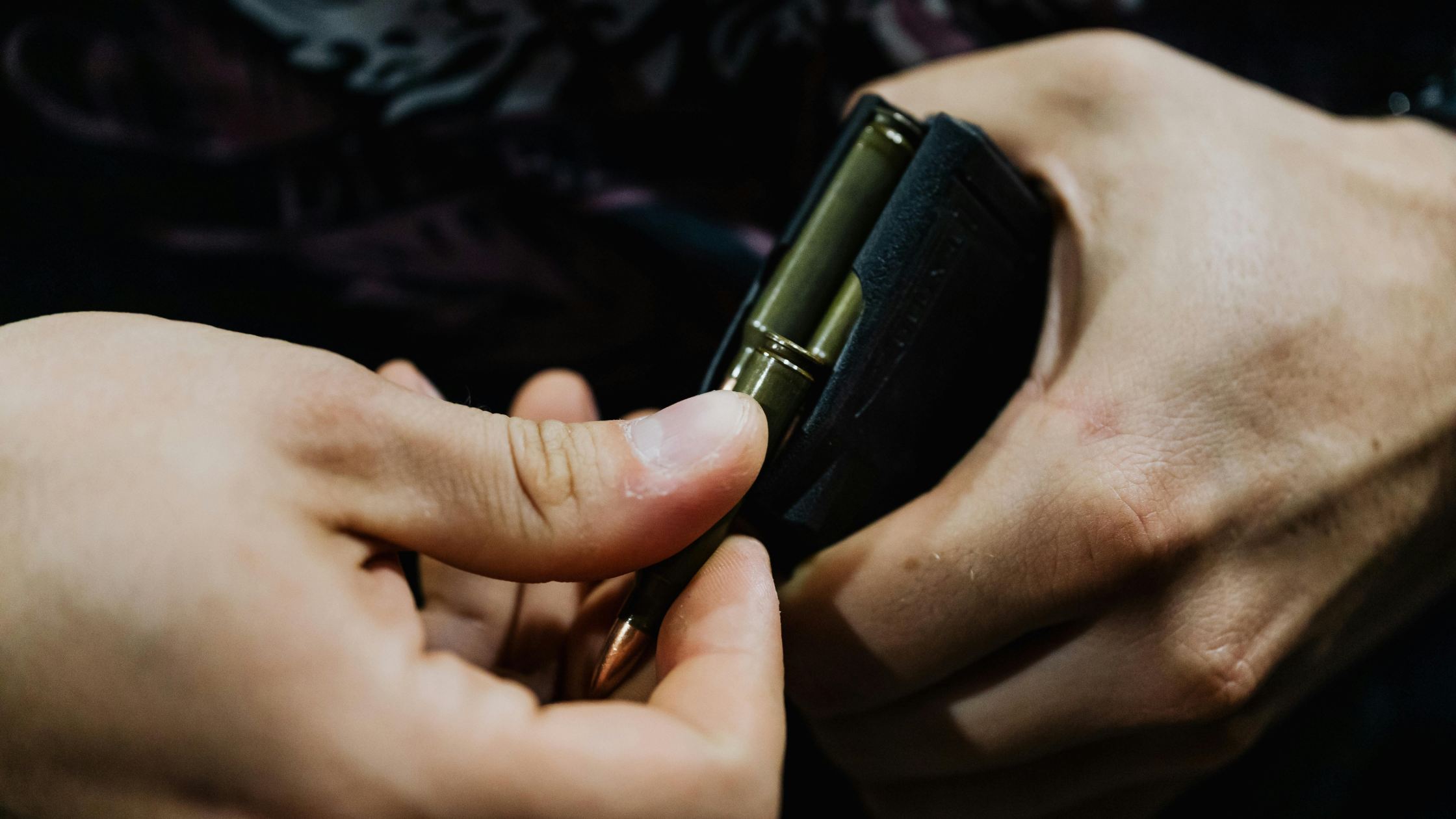
Weapons offences in British Columbia are taken seriously by police, Crown counsel, and the courts. Charges involving firearms or other prohibited weapons can lead to significant penalties, including jail time, strict probation conditions, and long-term firearm prohibitions.
Under the Criminal Code of Canada, weapons offences cover a wide range of situations, from possessing a prohibited weapon to using a firearm during the commission of another offence. Understanding how these charges arise and what legal defences may be available is essential for anyone facing allegations in BC.
What Counts as a “Weapon” Under Canadian Law
The Criminal Code defines a weapon broadly as anything used, designed to be used, or intended to be used to cause death or injury to a person, or to threaten or intimidate another person.
This means a weapon is not limited to firearms. Objects that are legal to own in everyday circumstances can still become “weapons” depending on how they are used or intended to be used.
Examples may include firearms, prohibited knives such as switchblades, brass knuckles, imitation firearms, and even ordinary items if they are used to threaten or harm someone.
Canadian law also distinguishes between different categories of weapons, including prohibited weapons, restricted firearms, and non-restricted firearms. Possessing certain types without proper authorization or licensing can result in criminal charges.
Common Weapons Charges in British Columbia
Weapons-related charges can arise in many situations. Some of the most common charges seen in BC courts include:
- Illegal possession of a firearm without a valid licence or registration where required
- Possession of a prohibited or restricted weapon
- Unauthorized possession of a weapon in a vehicle
- Possession of a weapon for a dangerous purpose
- Using a firearm or weapon while committing another offence
- Careless storage or handling of a firearm
Police investigations involving weapons often involve searches of vehicles, homes, or electronic devices. The legality of those searches can become a key issue in a criminal case.
Potential Penalties for Weapons Offences
The penalties for weapons offences depend on the nature of the charge, the type of weapon involved, and whether the offence is connected to other criminal allegations.
Possible consequences can include jail sentences, large fines, probation orders with strict conditions, and firearm prohibition orders that can last for many years or even for life.
Certain firearm-related offences still carry mandatory minimum sentences under Canadian law. Courts also consider aggravating factors such as prior criminal history, the presence of other offences, or whether the weapon was used to threaten or harm someone.
Even when jail is not imposed, a criminal conviction can have long-term consequences for employment, travel, and background checks.
Possible Legal Defences
Every weapons case depends on its own facts. A criminal defence lawyer will carefully review the evidence, the police investigation, and how the charges were approved.
Potential defence strategies may involve challenging whether the accused actually possessed the weapon, arguing that the object does not meet the legal definition of a prohibited weapon, or disputing the alleged intent behind the possession.
In some cases, the legality of the police search or seizure may be challenged under the Canadian Charter of Rights and Freedoms. If evidence was obtained improperly, it may be excluded from the case.
There may also be situations where the Crown cannot prove the necessary elements of the offence beyond a reasonable doubt.
Protecting Your Rights When Facing Weapons Charges
Weapons allegations can escalate quickly and carry serious consequences. Early legal advice can make an important difference in how a case unfolds, from the moment of police contact through charge approval and court proceedings.
If you are facing a weapons-related investigation or charge in British Columbia, Stern Shapray Criminal Lawyers can help you understand your rights, assess the strength of the case, and develop a strategic defence.