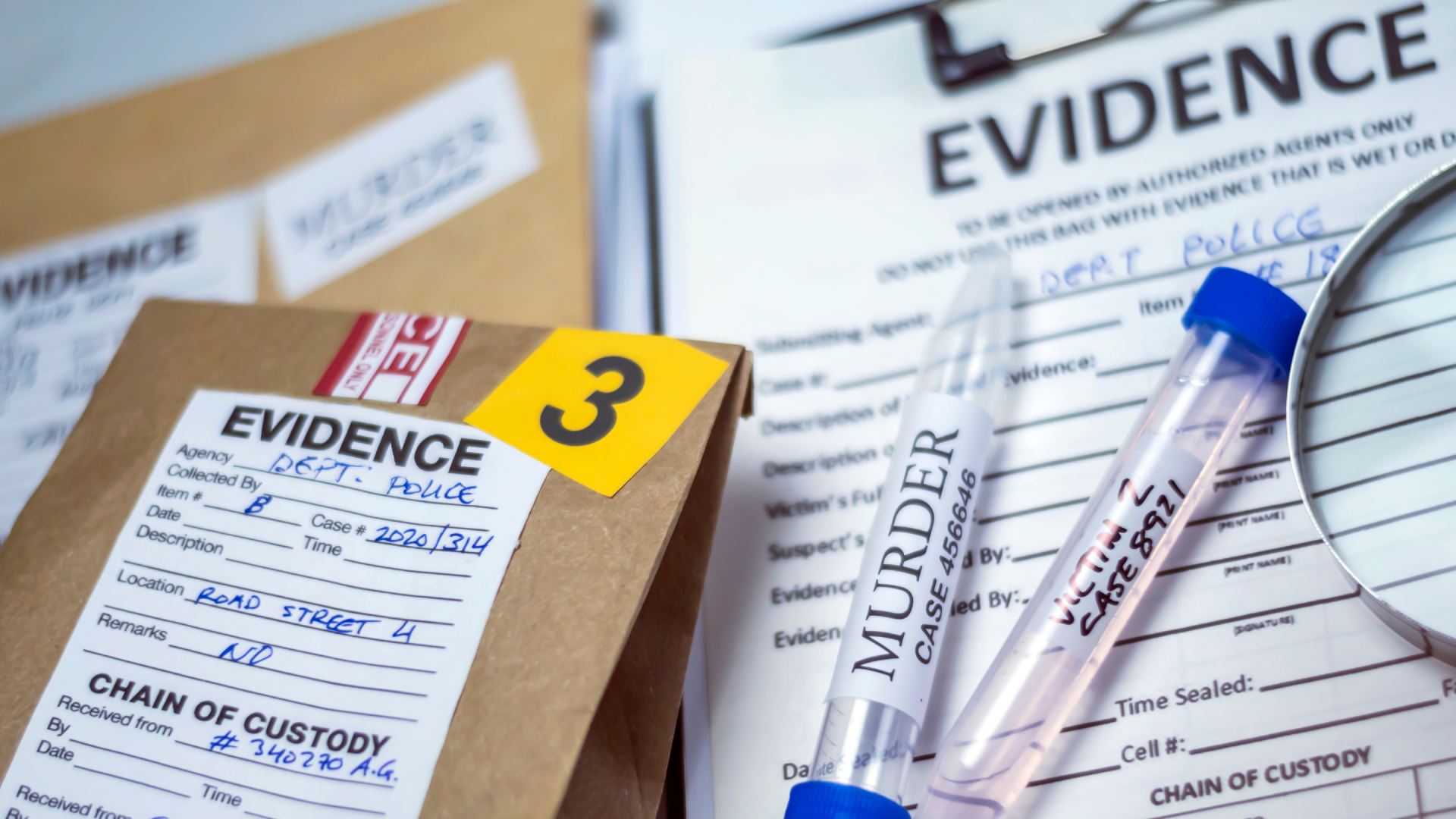

In Canada, individuals are protected from unreasonable searches and seizures by the Canadian Charter of Rights and Freedoms. In British Columbia, police must follow strict legal rules when gathering evidence. When those rules are not followed, courts may exclude the evidence from a criminal trial.
Section 8 of the Charter protects a person’s reasonable expectation of privacy. If police conduct an unlawful search or seizure, the evidence they collect may not be allowed in court. Understanding how these protections work can be critical for anyone facing criminal charges.
Charter Protection Against Unreasonable Search and Seizure
Section 8 of the Canadian Charter of Rights and Freedoms states that everyone has the right to be secure against unreasonable search or seizure. This protection applies to many areas of daily life, including homes, vehicles, electronic devices, and personal belongings.
In most situations, police must obtain a search warrant from a judge before conducting a search. To obtain a warrant, officers must present sworn evidence showing reasonable grounds to believe that an offence has occurred and that evidence will likely be found in the place to be searched.
Courts generally view a person’s home as having the highest expectation of privacy. Digital devices such as smartphones and computers are also strongly protected because they often contain highly personal information.
If police search without proper legal authority, the search may violate the Charter.
When Police May Conduct a Warrantless Search
There are limited situations where police can legally conduct a search without a warrant. These situations are known as exceptions to the warrant requirement.
For example, police may conduct a search incident to a lawful arrest. This allows officers to search a person and the immediate surroundings to ensure safety and preserve evidence.
Another exception may arise in urgent or “exigent” circumstances. If police believe evidence may be destroyed or that there is an immediate risk to public safety, they may be able to conduct a search without first obtaining a warrant.
Consent can also allow police to search property. However, consent must be voluntary and informed. If consent was pressured or unclear, it may not be legally valid.
How Illegal Searches Are Challenged in Court
If evidence was obtained through an unlawful search, a criminal defence lawyer may bring a Charter application to challenge the legality of the police conduct.
During this process, the court examines whether the search violated the accused person’s Charter rights. If a violation occurred, the court must then determine whether the evidence should be excluded under section 24(2) of the Charter.
The judge will consider factors such as the seriousness of the Charter breach, the impact on the accused’s privacy rights, and society’s interest in having the case decided on its merits.
If the court excludes key evidence, the Crown’s case may be significantly weakened or unable to proceed.
Why Search and Seizure Issues Matter
Search and seizure challenges frequently arise in cases involving drugs, firearms, fraud investigations, and digital evidence. Because these cases often depend heavily on physical or electronic evidence, the legality of the police search can become a central issue.
A careful review of search warrants, police reports, and investigative steps can reveal whether the Charter was respected. Even small procedural errors may raise important legal questions about the admissibility of evidence.
For individuals facing criminal charges, understanding whether police acted lawfully can be a critical part of building a defence.
Protecting Your Rights if Evidence Was Seized
Allegations involving unlawfully obtained evidence require careful legal analysis and a strong understanding of Charter law.
If you believe police conducted an illegal search or seizure, Stern Shapray Criminal Lawyers can review the circumstances of the investigation and determine whether your Charter rights were violated. Our team regularly handles cases involving complex constitutional issues and challenges to police evidence.