
Being charged with a criminal offence in British Columbia can feel overwhelming, especially when you don’t know what to expect next. While every case is different, most follow a similar path from the initial charge through to resolution. Understanding the process can help you make informed decisions at each stage.
1. The Charge and Release
The process begins when police lay a charge or recommend charges to Crown counsel. Depending on the situation, you may be released at the scene, held for a bail hearing, or required to attend court on a future date.
If you are detained, a bail hearing typically takes place within 24 hours. At this stage, the court decides whether you will be released and, if so, under what conditions, while your case is ongoing.
2. First Appearance
Your first court appearance is usually brief. It is not a trial, and no evidence is presented. Instead, the court confirms your charges, ensures you have legal representation, and sets timelines for the next steps.
In many cases, your lawyer may appear on your behalf, so you may not need to attend in person unless required.
3. Disclosure of Evidence
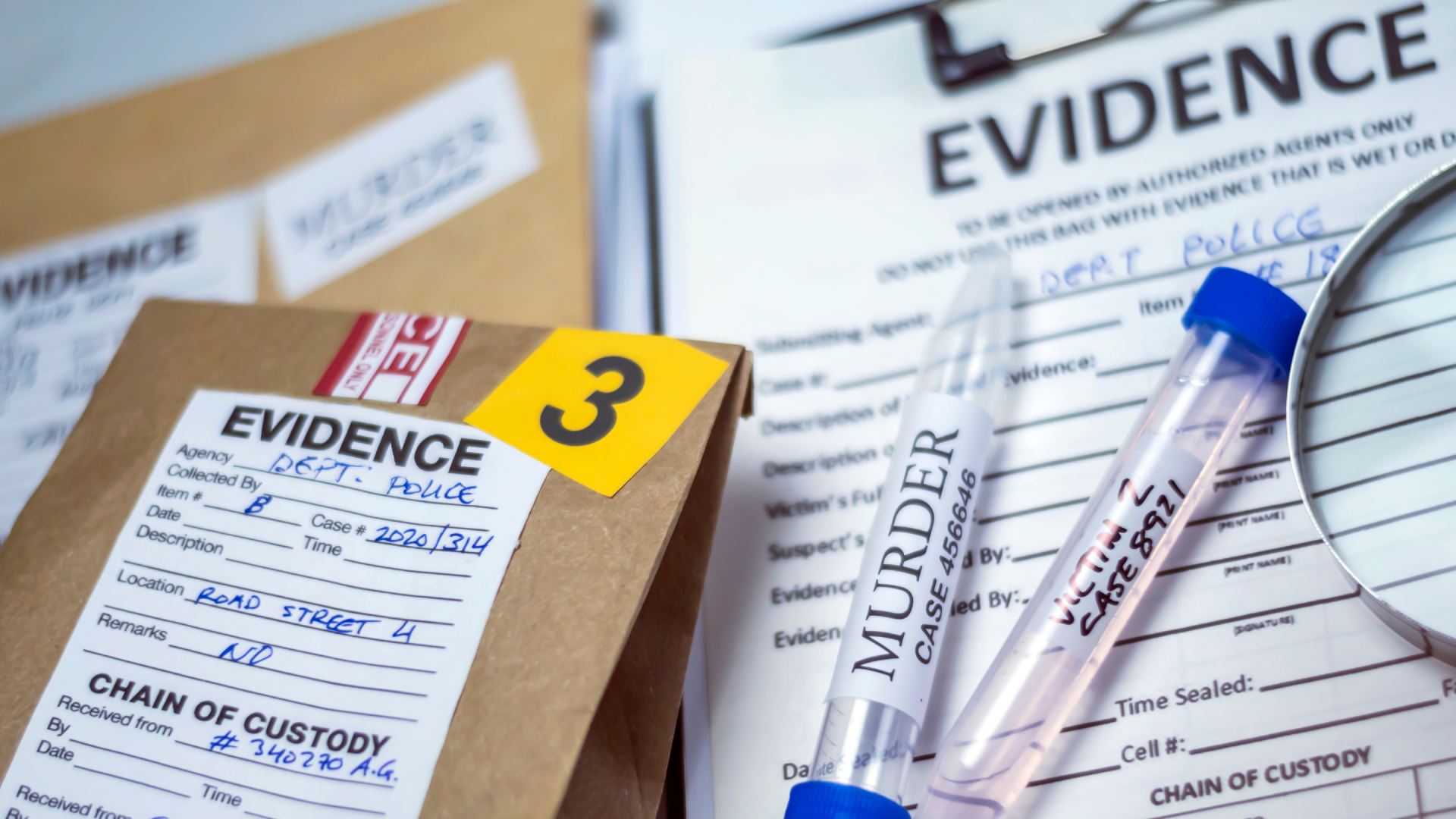
One of the most important stages in the process is disclosure. This is when the Crown provides all the evidence they intend to rely on, including police reports, witness statements, and any video or forensic evidence.
Reviewing disclosure allows your lawyer to assess the strength of the case, identify any weaknesses, and begin building a defence strategy.
4. Resolution Discussions
After reviewing disclosure, your lawyer may engage in discussions with Crown counsel to explore possible resolutions. This can include negotiating a withdrawal of charges, a plea to a lesser offence, or participation in diversion programs where appropriate.
Not all cases resolve at this stage, but early discussions can sometimes lead to more efficient outcomes.
5. Pre-Trial and Trial Preparation
If the case does not resolve, it moves toward trial. This stage involves additional court appearances, scheduling, and preparation. Your lawyer may bring pre-trial applications, such as challenging the admissibility of evidence or raising Charter issues.
Preparation is critical, as it shapes how the case will be presented in court.
6. Trial
At trial, the Crown must prove the charges beyond a reasonable doubt. They will present evidence and call witnesses, who may be cross-examined by the defence. You are not required to testify, and the defence may choose to call evidence or rely on weaknesses in the Crown’s case.
At the end of the trial, the judge (or jury, in some cases) will deliver a verdict of guilty or not guilty.
7. Sentencing (If Applicable)
If a guilty finding is made, the case proceeds to sentencing. The court considers factors such as the seriousness of the offence, your personal circumstances, and any prior record. Penalties can range from fines and probation to more serious consequences like custody.
Why Understanding the Process Matters
Each stage of the criminal court process presents important decisions that can affect the outcome of your case. Early steps, especially how you respond to police and how disclosure is handled, can shape everything that follows.
Navigating the criminal court system in British Columbia requires a clear understanding of the process and a thoughtful approach at every stage. Stern Shapray Criminal Lawyers provide strategic guidance early on to help protect your rights and position your case as effectively as possible moving forward.